There is a dangerous misconception in modern geopolitics: that the cost of war ends when the war ends. It doesn’t. In many cases—particularly in the modern American model—that is precisely when the second bill begins. And more often than not, that second bill is larger, longer, and far less transparent than the first.
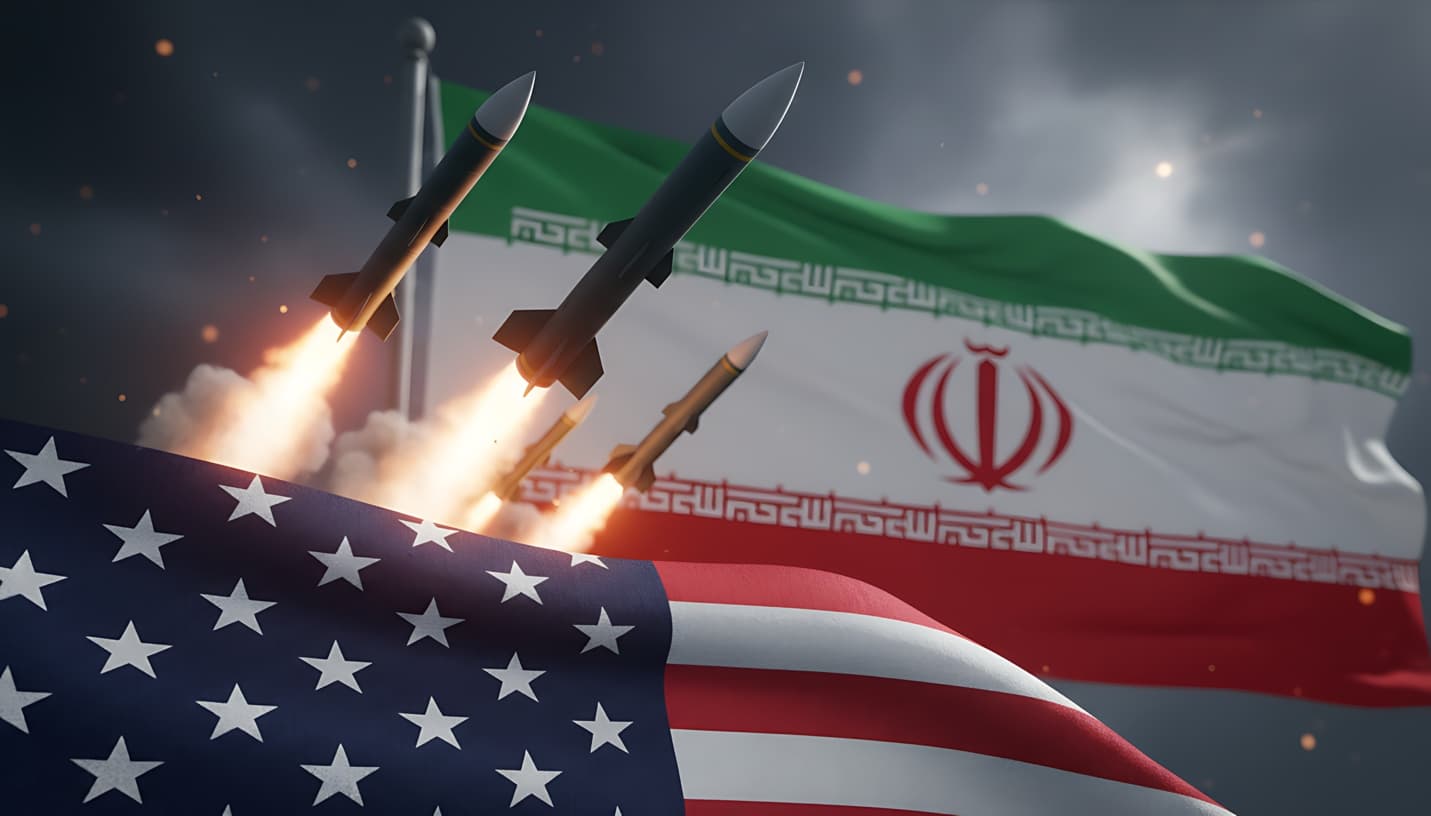
The United States is no longer approaching a conflict with Iran. We are in one.
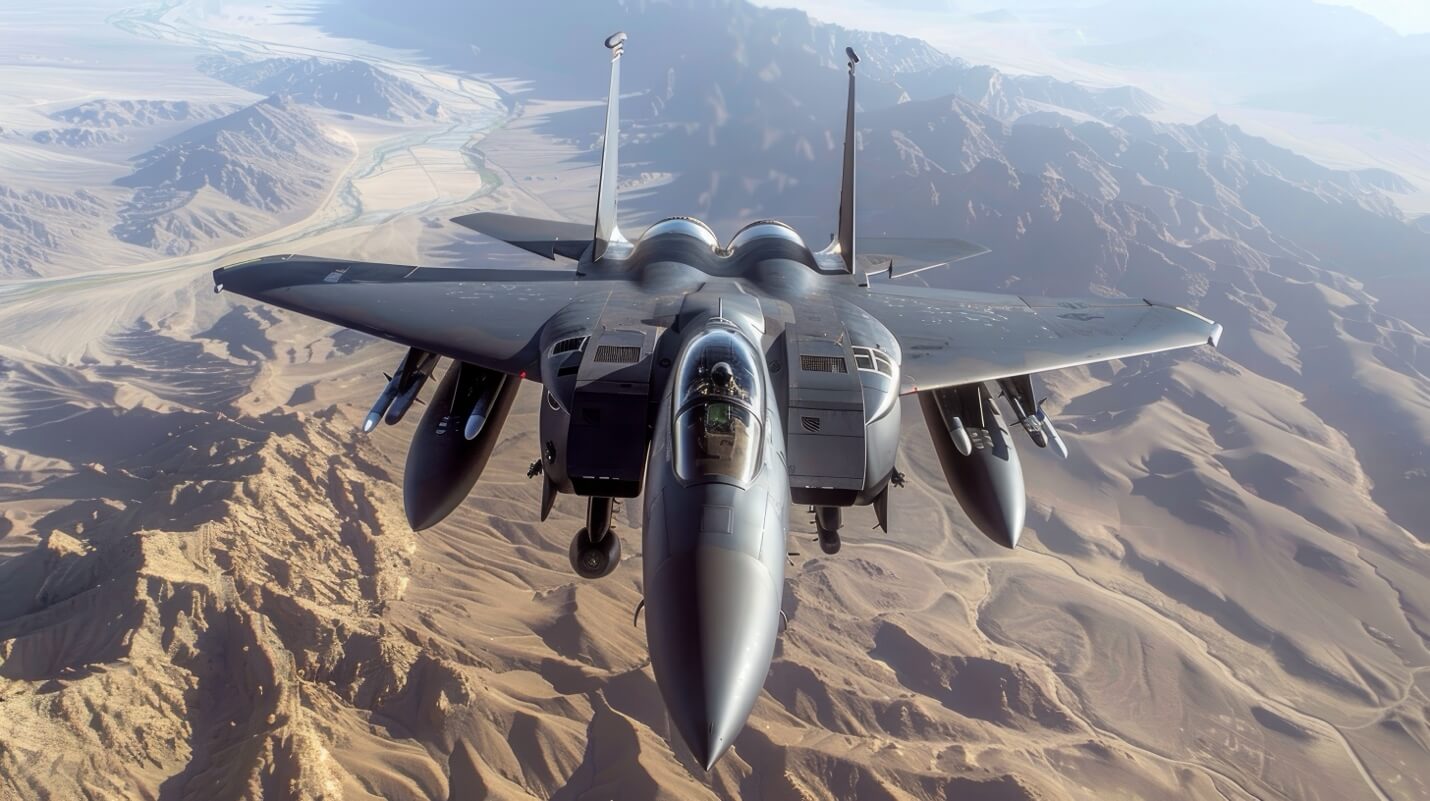
Since late February, U.S. forces have been engaged in sustained military operations—striking targets, deploying advanced systems, and committing significant resources across air, sea, and land. This is not a hypothetical scenario or a future risk. It is an active, ongoing campaign. And based on current posture and stated objectives, it is not winding down—it is building.
That reality was underscored by President Donald Trump’s Truth Social post this morning, which raised the stakes even further by issuing a stark ultimatum tied to a specific deadline. Whether viewed as negotiation, deterrence, or preparation, the message was clear: escalation remains firmly on the table.
The visible costs of this conflict are already substantial. Advanced weapons systems, naval deployments, missile strikes, and sustained air operations do not come cheap. Tens of billions of dollars can be consumed in a matter of weeks. This is the part the public sees—the explosions, the headlines, the statements. But historically speaking, this phase of war is often the least expensive.
The real cost emerges after the fighting stops.
In earlier eras, victory meant defeating an enemy and moving on. But since the aftermath of World War II, the United States has followed a very different playbook. After defeating Germany and Japan, it did not simply withdraw. Instead, it undertook a massive reconstruction effort, most notably through the Marshall Plan. Infrastructure was rebuilt, governments were stabilized, and entire economies were revived. At the time, this strategy served a clear purpose: to prevent chaos, contain Soviet influence, and restore global trade. It was not charity—it was geopolitical strategy.
But what began as a strategic response eventually hardened into a precedent.
That precedent has shaped American foreign policy for decades. We saw it in Iraq and Afghanistan, where the end of major combat operations did not mark the end of spending. Instead, it marked the beginning of prolonged financial commitments—reconstruction, security assistance, governance support, and humanitarian aid. Trillions of dollars later, the results remain mixed at best. What is not mixed is the financial impact.
Now bring that framework into the present.
This conflict is not theoretical, and neither are its likely consequences. If the current pace of operations continues—and especially if it intensifies—damage to Iran’s infrastructure is not a possibility; it is an expectation. Ports, energy systems, transportation networks, and utilities are all vulnerable in a sustained campaign of this nature.
And once that damage is done, the same question that has followed every modern conflict will emerge again: who pays to rebuild it?
The answer will not come in the form of a single, clearly labeled program. It rarely does. Instead, it will arrive in layers—stabilization funding, humanitarian relief, energy infrastructure support, regional security commitments, and allied agreements. Each piece will be presented as reasonable. Each will be framed as necessary. But collectively, they can amount to a long-term financial obligation measured in tens, if not hundreds, of billions of dollars.
And this is where the situation becomes materially different from the past.
The United States today is not operating from a position of financial strength comparable to the postwar era. The national debt is approaching $39 trillion, and annual deficits are running near $2 trillion. Interest expense alone is becoming one of the largest and fastest-growing components of federal spending. This is not a country with excess capacity to absorb new, open-ended commitments without consequence.
So the question is not whether additional costs are coming. They are. The more important question is how they will be financed.
Every dollar spent must ultimately come from one of three sources: taxation, borrowing, or monetary expansion. Increasingly, it is the latter two that carry the burden. Borrowing pushes the problem forward, adding to an already unsustainable debt trajectory. Monetary expansion—whether explicit or indirect—erodes purchasing power over time.
This is where the connection to gold becomes clear, though it is often misunderstood. Gold does not primarily respond to war itself. It does not move simply because missiles are launched or conflicts erupt. Gold responds to the policy response to those events. When war leads to increased spending, larger deficits, and greater reliance on monetary expansion, the long-term consequence is a decline in the purchasing power of the currency. Gold reflects that decline. It does not predict it; it measures it.
The most expensive part of war is not the destruction. It is the aftermath—the obligation, whether explicit or implied, to rebuild what was just destroyed. In the modern era, victory has come to include not just defeating an adversary, but stabilizing and reconstructing the environment left behind.
And based on the current trajectory, it is not a question of whether the United States will “win” this conflict. It is a question of what that victory will ultimately cost.
Because in today’s fiscal reality—with debt approaching $39 trillion and deficits nearing $2 trillion annually—the United States is no longer operating with the same margin for error.
And if history is any guide, the cost of winning will not end on the battlefield.
It will show up in the balance sheet.