Every time geopolitical conflict erupts, the same assumption resurfaces: gold should be soaring.
Missiles are launched. Headlines dominate the news cycle. Tensions escalate. And yet, gold often does very little.
That’s exactly what we are seeing right now.
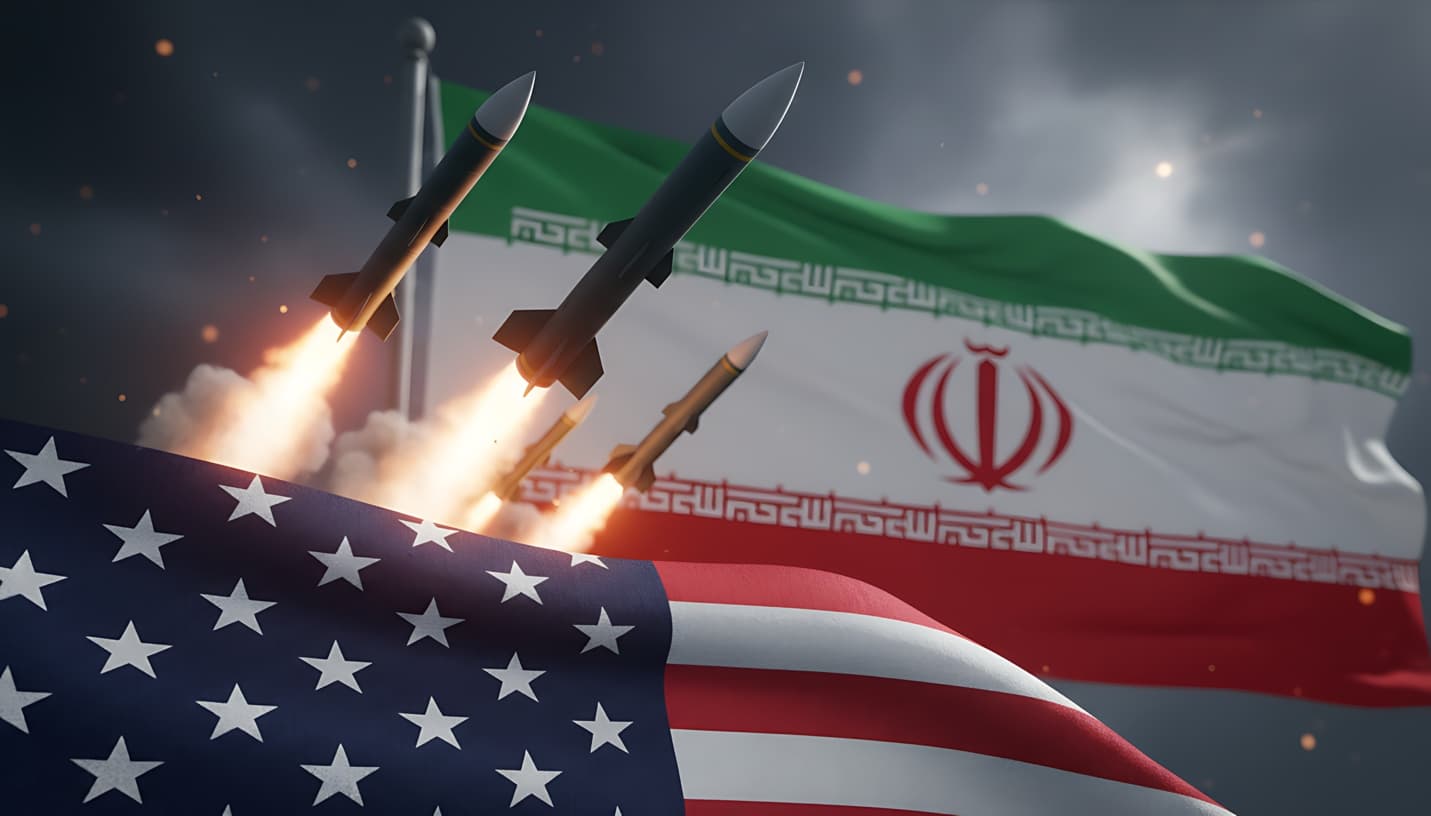
Despite a major U.S. military engagement with Iran — a situation that would seem tailor-made for a surge in gold — prices have remained relatively contained, trading within a range rather than breaking sharply higher. At first glance, that feels counterintuitive. It isn’t.
The idea that gold should spike simply because of war is one of the most persistent misconceptions in investing. Gold is not a “fear trade” in the way many believe. It does not reliably respond to headlines, breaking news, or even major global events in real time.
Gold responds to something far more specific: monetary consequences.
And those consequences do not come from the event itself. They come from how the event is handled.
Military conflict is not a line item that quietly fits within an existing budget. It is an incremental expense — and a significant one. In this case, the administration has already sought roughly $200 billion in additional funding tied to the conflict. That funding does not come from surplus capital. It must be financed.
That is where the real story begins.
Before a single dollar of new war spending is added, the fiscal picture is already strained. The United States is carrying approximately $39 trillion in national debt and running an annual deficit near $1.9 trillion. Government spending is already at record levels, driven by Social Security, Medicare, and the growing cost of servicing existing debt.
This is an already stretched system taking a new cost—a cost that will only grow the longer the hostilities continue.
At the same time, the conflict is beginning to exert pressure on the global economy. With Iran effectively restricting the Strait of Hormuz, oil prices have moved higher, pushing up gasoline and input costs across industries. These higher energy costs ripple through transportation, manufacturing, and supply chains, creating downward pressure on economic growth.
That matters because slower growth threatens tax revenue.
Now the dynamic becomes clear: spending is rising while revenue growth is at risk. The gap widens and the deficit expands.
Larger deficits require larger Treasury issuance. More bonds must be sold into the market to fund both ongoing obligations and new war-related spending. That leads to a critical question — one that sits at the center of the entire system:
Who is going to buy the debt?
If traditional sources of demand, including foreign buyers, are not sufficient to absorb that supply, the system does not simply stop functioning, it adapts. Liquidity must be provided to keep the market operating.
This is where gold becomes relevant — not when missiles are launched, but when the financial system begins to accommodate the cost of those missiles.
As Treasury issuance expands and the need for liquidity increases, the consequences begin to show up where they always do: in the purchasing power of the dollar. More dollars in the system do not immediately create visible disruption. Instead, they create something more subtle and more important — each individual dollar buys less. When that happens, it takes more dollars to acquire the same ounce of gold.
What this moment is showing, in real time, is that gold is not reacting to the conflict itself because it does not need to. The market is still working through the policy response to that conflict. But the underlying dynamics are already in motion: higher spending, slower growth, larger deficits, and increasing pressure on the system to absorb new debt.
If you are waiting for gold to spike simply because conflict exists, you may be watching the wrong signal.
What matters is not the event. What matters is the response.
Gold is not a headline-driven asset. It is a monetary barometer. In an environment like this, gold does not need to surge overnight. It reprices over time — as the consequences of policy decisions work their way through the system.
Missiles don’t move gold. Policy does.