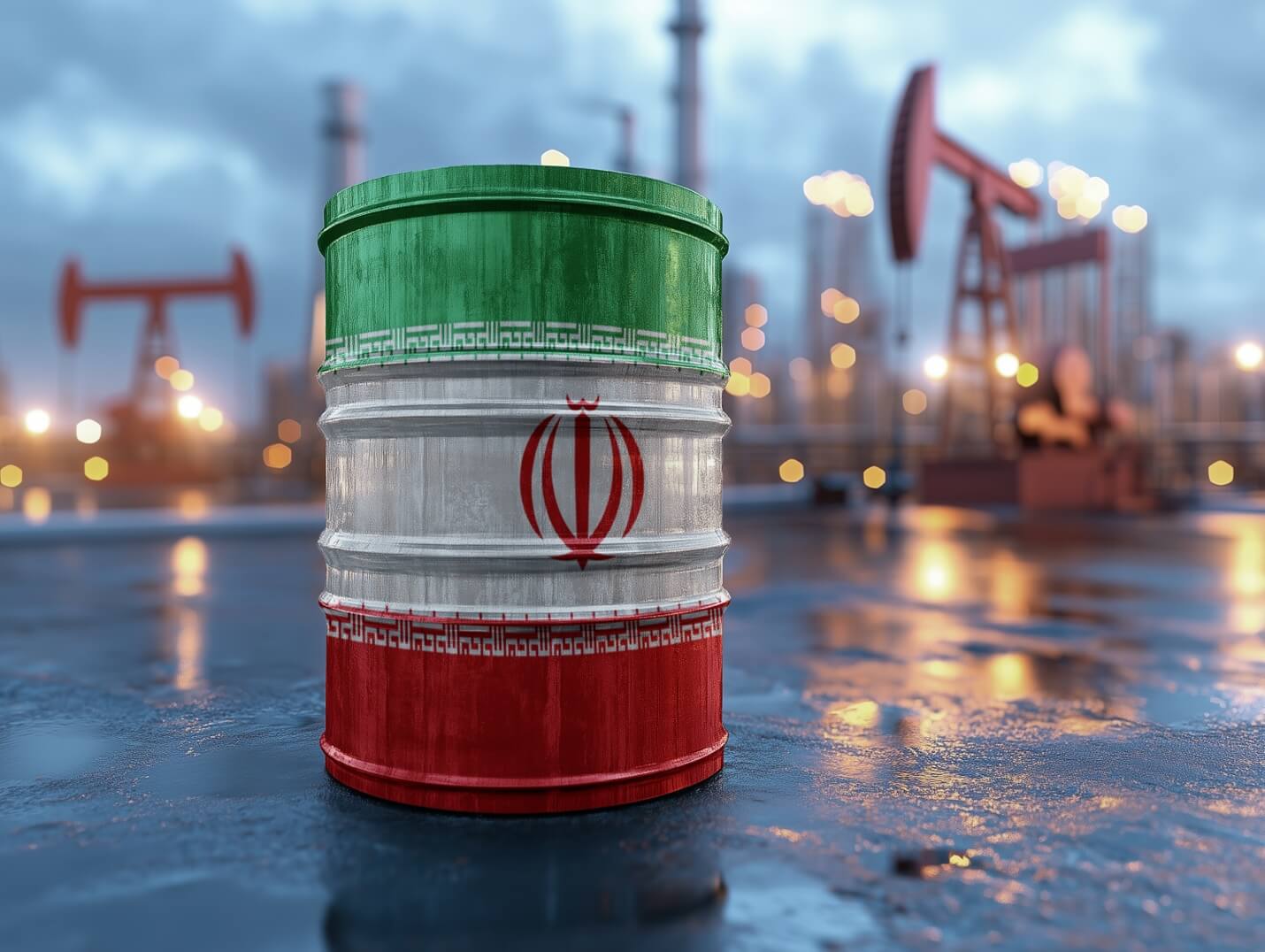
With oil prices rising sharply—from roughly $64 to $95 per barrel—many analysts are once again warning that inflation is about to reaccelerate.
But according to this article from the Mises Institute, that conclusion may be misguided.
Rising oil prices, by themselves, do not cause inflation.
Instead, higher energy costs simply force consumers and businesses to reallocate their spending—more toward fuel and transportation, and less toward other goods and services. In this scenario, prices may rise in some areas, but they are offset by reduced spending elsewhere.
In other words, the total amount of money in the system hasn’t changed—only how it’s being spent.
True inflation—defined as a general loss of purchasing power—requires an expansion of the money supply. Without that, a broad and sustained rise in prices across the economy cannot occur.
Our Commentary
At Cole Metals Group, we agree with the core premise—but with an important distinction.
It’s not just the event that matters—it’s the policy response to the event.
While rising oil prices alone do not create inflation, they often lead to increased government spending, political pressure for intervention, and, ultimately, monetary expansion. These responses are what tend to drive sustained inflation over time.
This is why inflation doesn’t necessarily spike the moment oil prices rise—but can emerge later, after policy decisions work their way through the system.
Investors should be careful not to confuse short-term price shocks with the underlying forces that erode purchasing power over the long run.
Key Takeaway
Oil prices may influence where money is spent—but they don’t determine how much money exists.
And in the end, it’s the supply of money—not the price of oil—that drives inflation.
Read the full article here.